← Something New Variations List
Something New
LP.2108.7.4 | Orange, 2nd generation, ® Logo
(1975-1976) - RCA Dynaflex
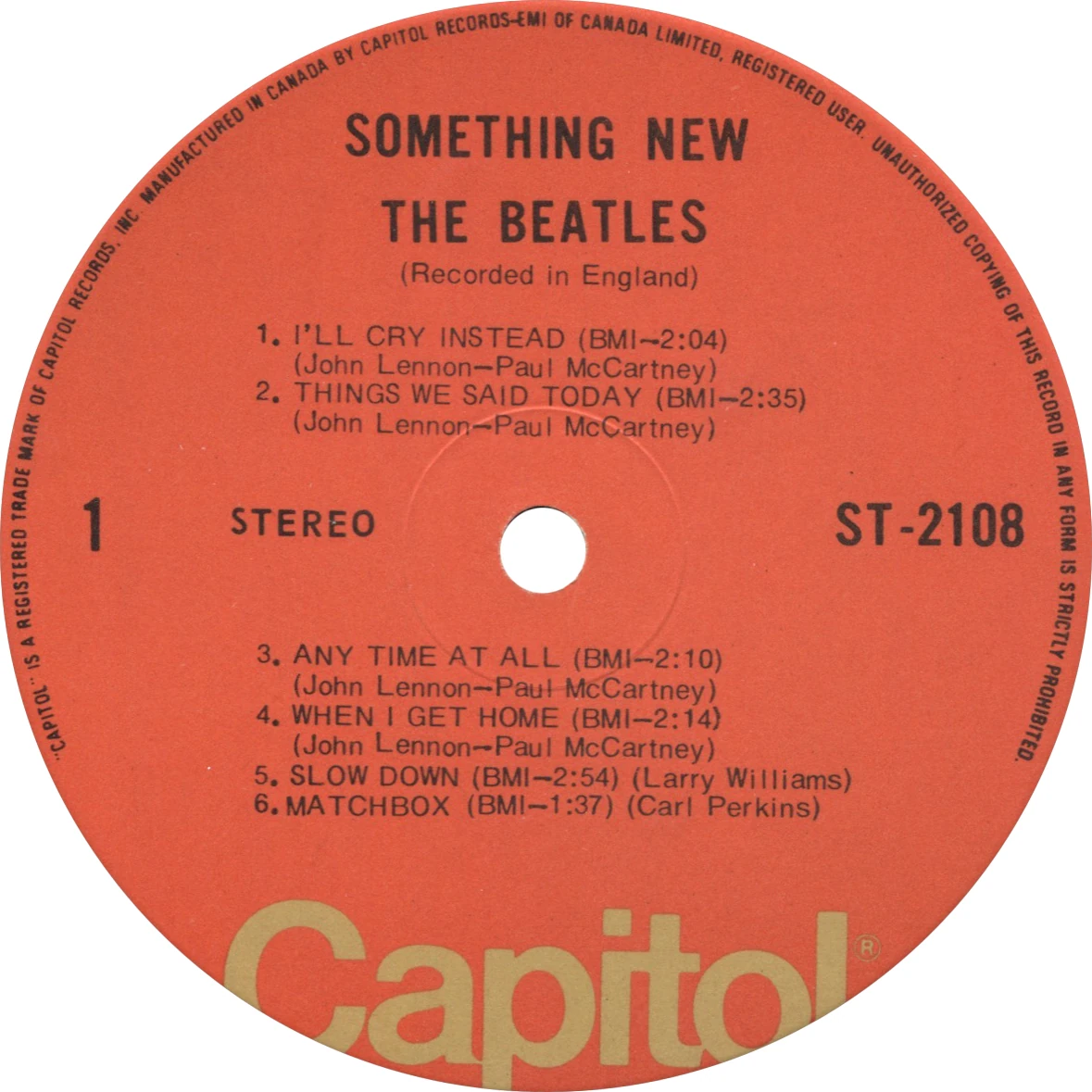
LP.2108.7.4 is still the second incarnation of the orange label but this later variation is recognized by its black perimeter print on the label and its Registered (®) logo. Unlike LP.2108.7.3, this is an RCA pressing on lightweight Dynaflex vinyl, and features a different text layout on both labels.

Availability
This variation circulated shortly after LP.2108.7.3 (from January 1975 to late 1976), until Capitol started pressing their own albums at their new Mississauga pressing plant (see LP.2108.8.1).
General Information
The ® logo itself was not new here (it had already replaced the ™ logo with LP.2108.7.3), but this variation stands apart from all the other second generation pressings on several counts: the labels use a different layout, the pressing comes from a different plant (RCA rather than Columbia), the record is pressed on RCA's lightweight Dynaflex vinyl, and the matrix markings are different, with the catalogue numbers written in a new hand and joined by a stamped MASTERED BY CAPITOL.
Second generation orange label pressings with the ® logo, and third generation orange label pressings, are much more common than the earlier TM Logo pressings.
Pressing Information
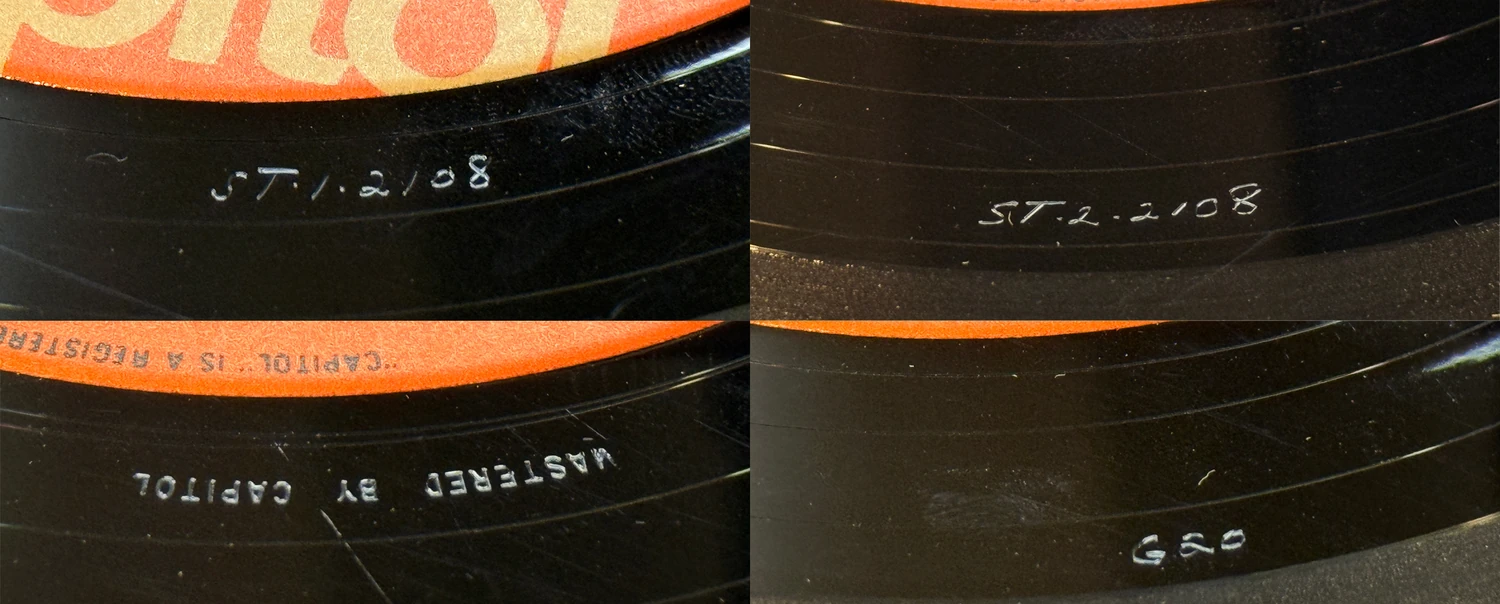
For this last run of second generation orange labels, Capitol of Canada turned back to RCA, which pressed the album on its lightweight Dynaflex vinyl while Columbia was producing LP.2108.7.3. The matrix markings changed as well: the catalogue numbers are written in a different hand, and are joined by a stamped MASTERED BY CAPITOL and additional codes:
Side 1: ST-1-2108. MASTERED BY CAPITOL
Side 2: ST-2-2108 G20
These pressings feature the small 24 mm Dynaflex pressing ring instead of Columbia's 68 mm thin ring, and are recognized by their very thin, flexible vinyl profile (see below).
RCA's new Dynaflex technology
RCA's "Dynaflex" technology, introduced in the 1970s, was an innovative approach to manufacturing vinyl records. Dynaflex records were significantly thinner and more flexible than standard vinyl records of the time. RCA developed this technology in response to several issues with traditional records, including warping, breakage, and the cost of materials. Specifically:
Material and Thickness: Dynaflex records were made from a specially formulated vinyl that allowed them to be pressed thinner than conventional records. While standard vinyl records were around 120-150 grams, Dynaflex records typically weighed between 90-110 grams.
Flexibility: One of the most notable features of Dynaflex records was their flexibility. They could be bent and flexed without breaking, which made them more durable and less prone to warping.
Cost Efficiency: The thinner vinyl used in Dynaflex records reduced production costs. This was advantageous for RCA, allowing them to save on materials and shipping due to the reduced weight.
Sound Quality: While Dynaflex records were praised for their durability, there was some controversy regarding their sound quality. Audiophiles and critics often debated whether the thinner vinyl affected the audio fidelity. Some felt that Dynaflex records had less dynamic range and were more prone to surface noise.
The reception to Dynaflex was mixed. While some consumers appreciated the durability and lower cost, others preferred the traditional, heavier vinyl records for their perceived superior sound quality and tactile feel. Despite the mixed reviews, Dynaflex represented an interesting chapter in the history of vinyl record production, highlighting the industry's efforts to innovate and adapt to changing market conditions and technological advancements.
Cover
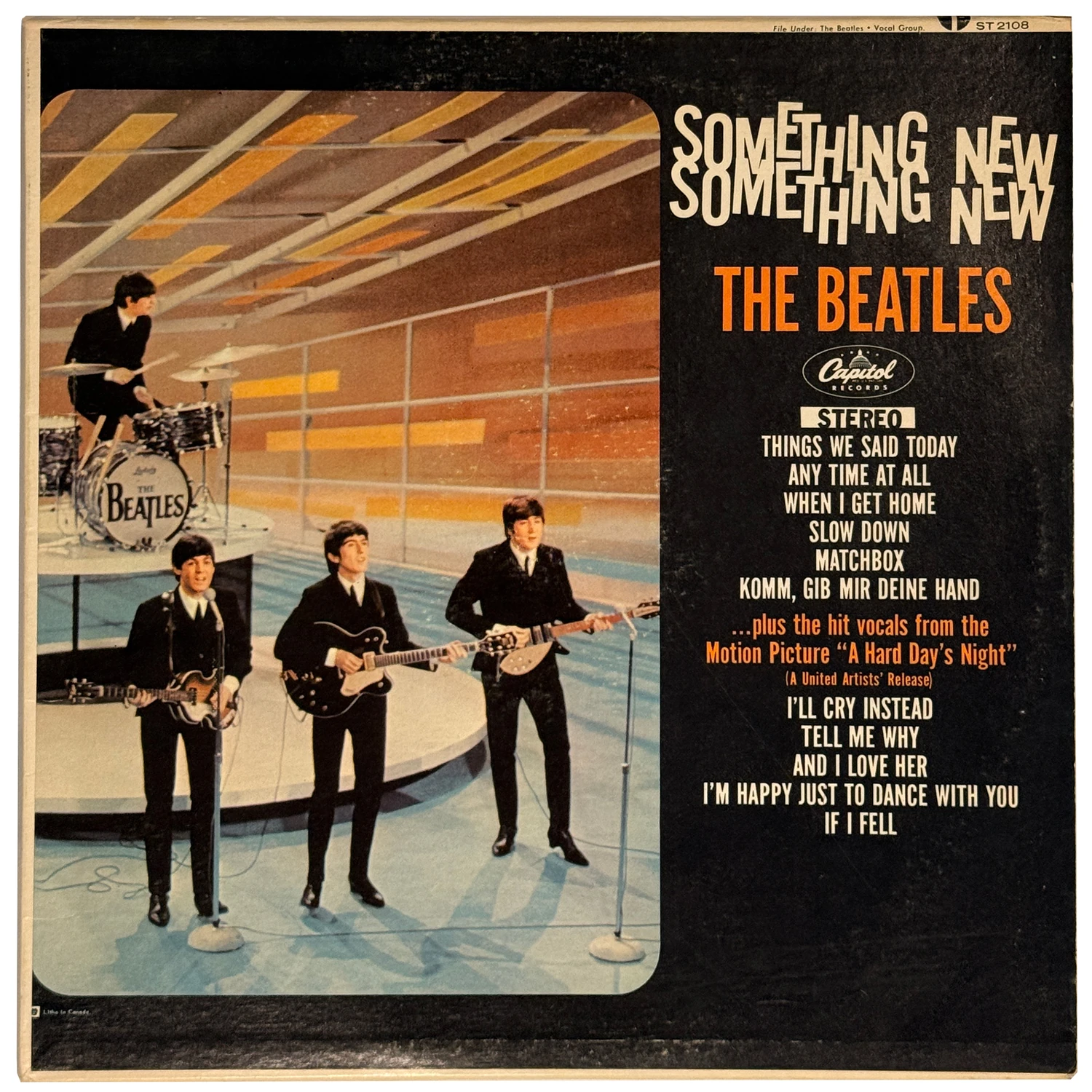
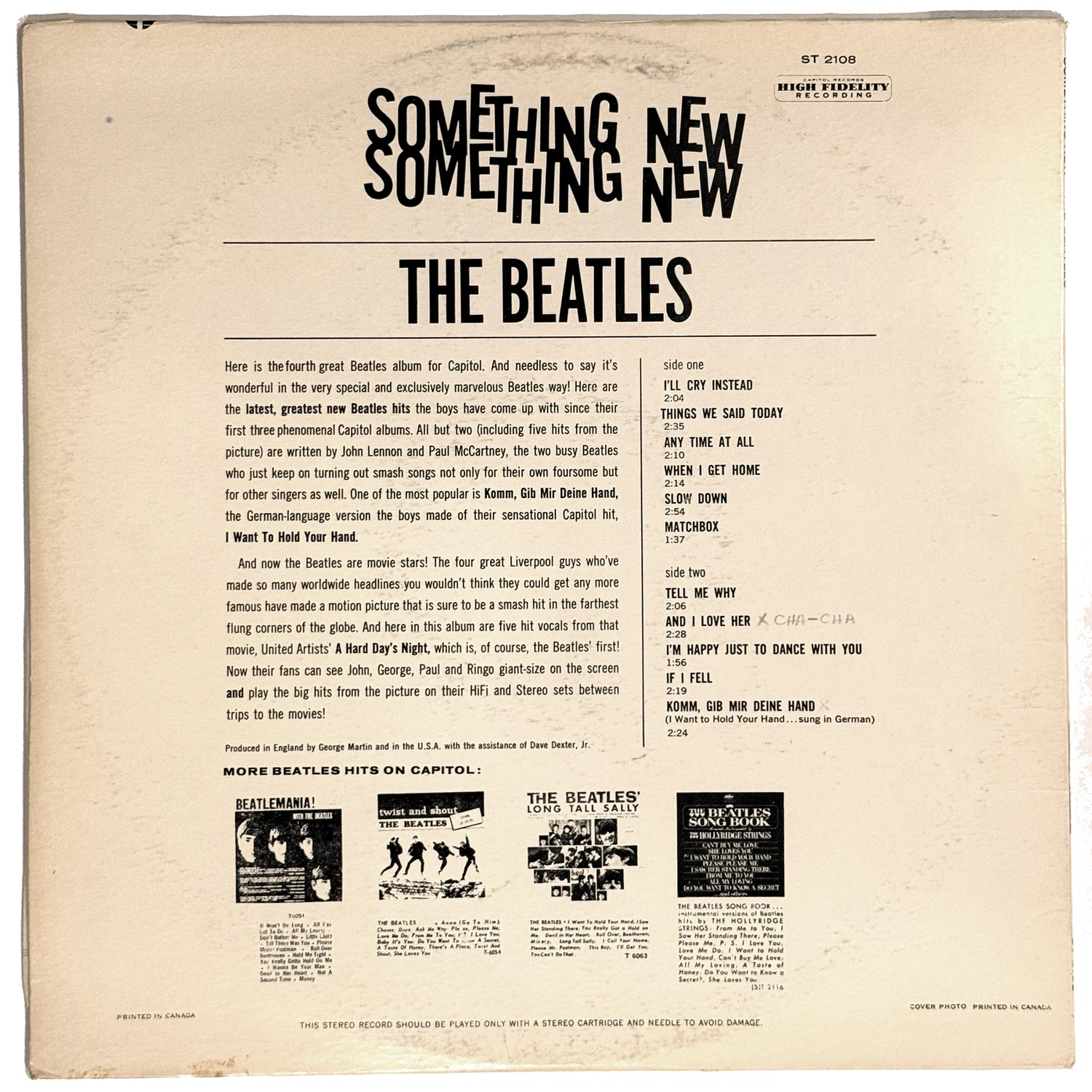
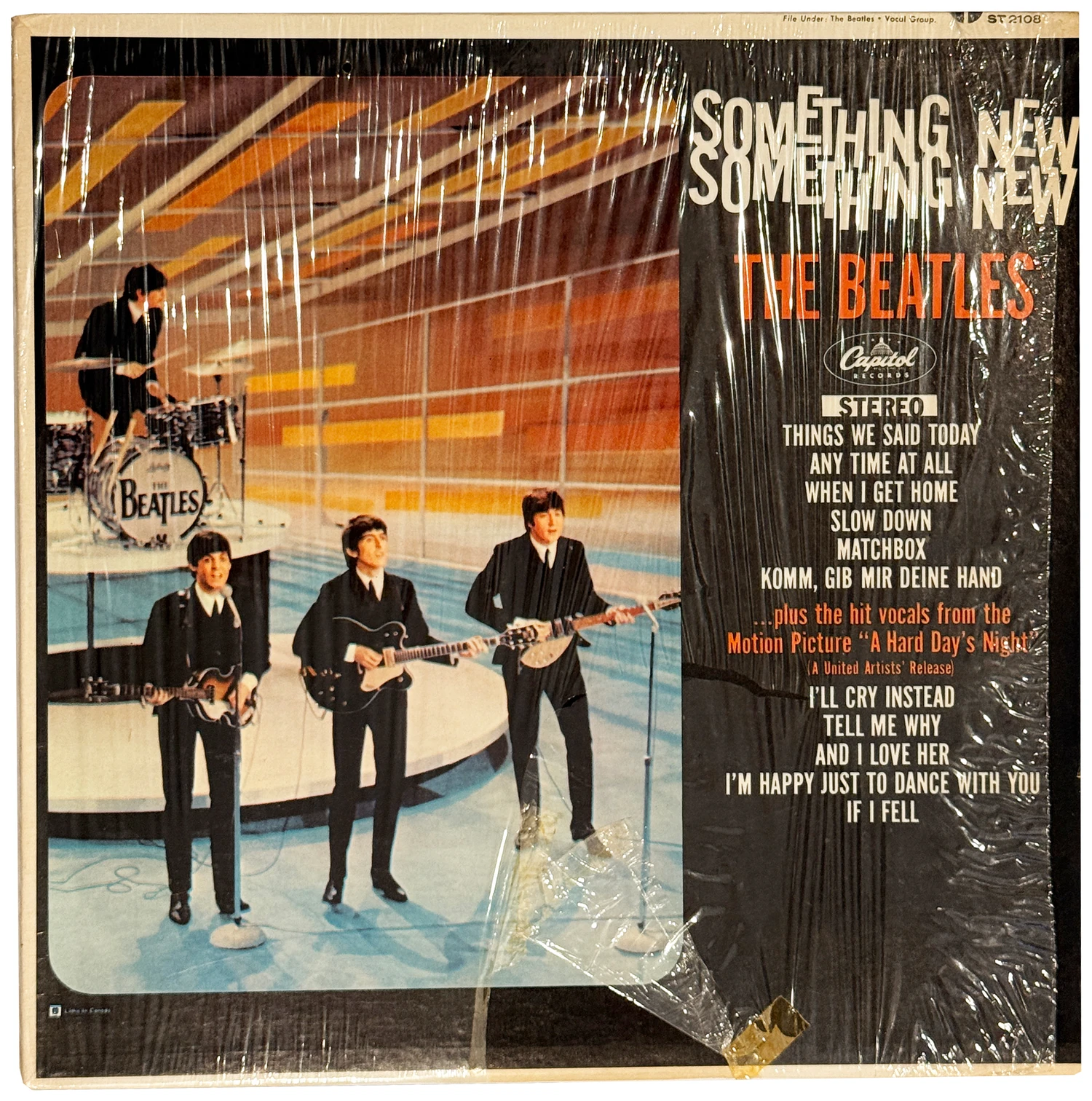
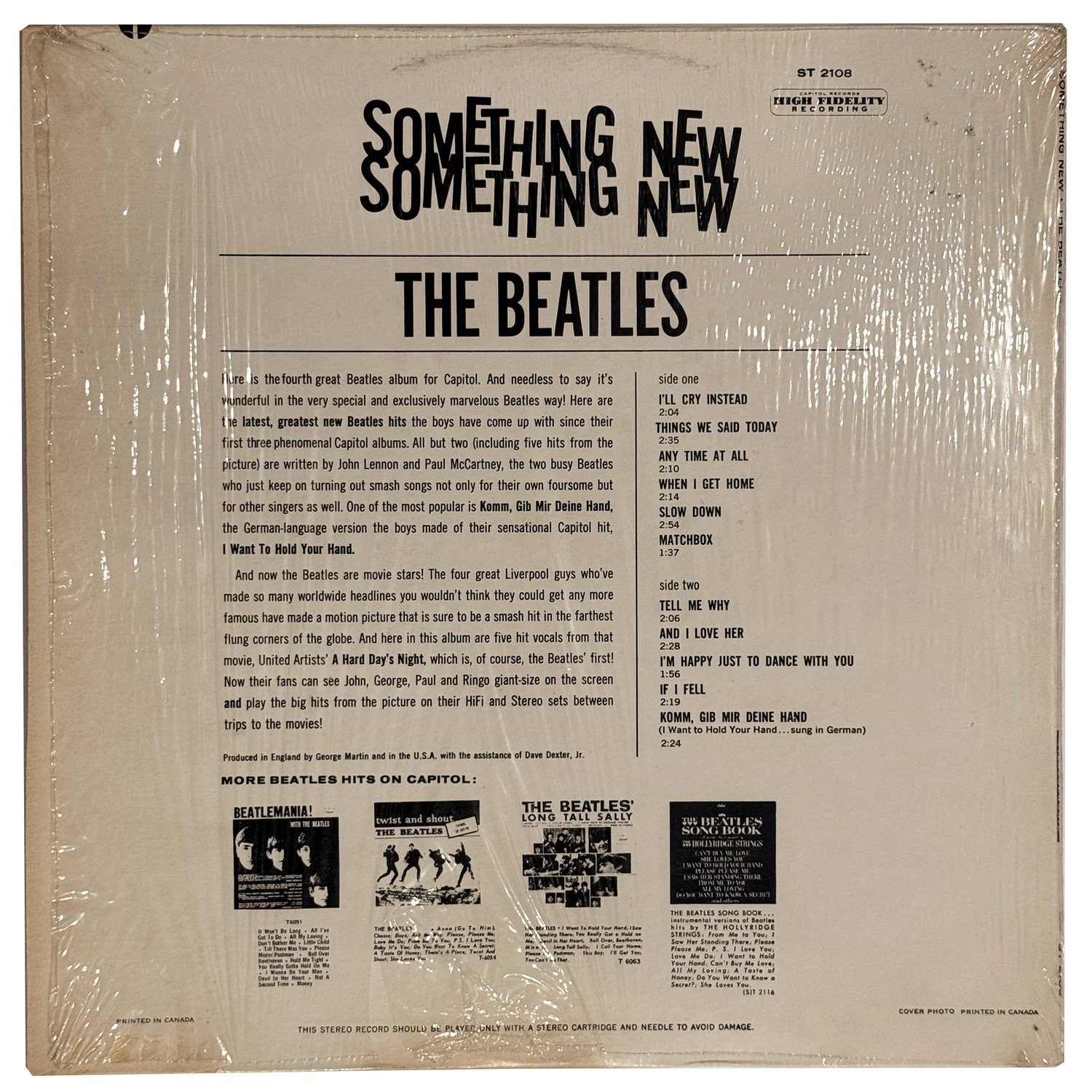
The cover of this variation is identical in design to that of LP.2108.7.3, also manufactured by Modern Graphics with the regular white printer’s logo on the front, but the frame is different: these covers have the newer 8 mm straight inner seam instead of 7 mm.

The cover construction is identical to all previous variations, with a front slick construction.
Packaging
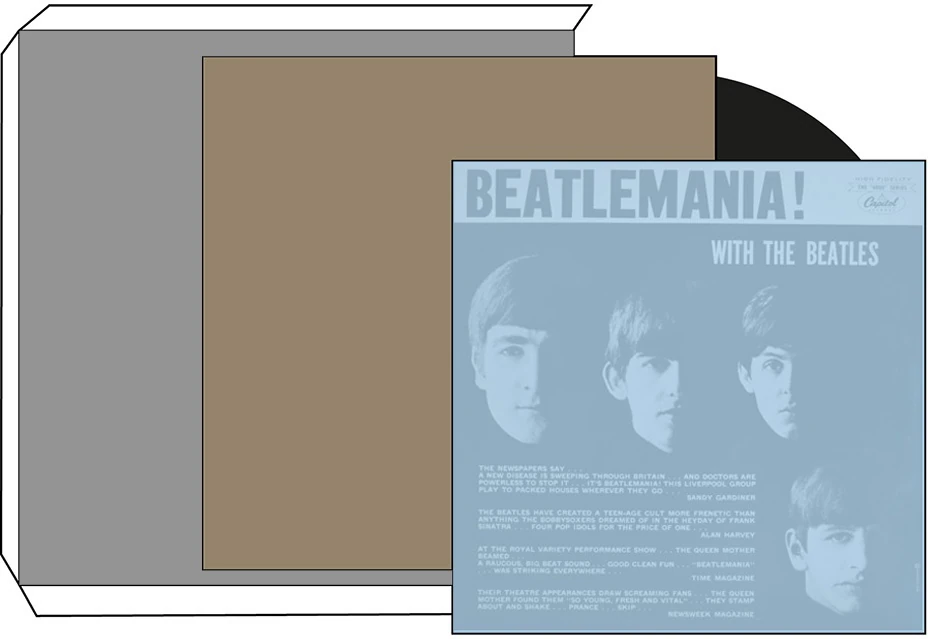
This edition was shipped in tight shrink wrap, with or without a plain paper LP inner sleeve. These Capitol sleeves are square and have a slight curve at the top.