
LP.2228.6.2 is still the first generation orange label (gold perimeter print), but this later variation, appearing in 1973, is an RCA pressing on lightweight Dynaflex vinyl. It is recognized by its very thin, flexible record and its small 24 mm pressing ring, instead of the 70 mm deep groove of LP.2228.6.1. The labels also use a different text layout.
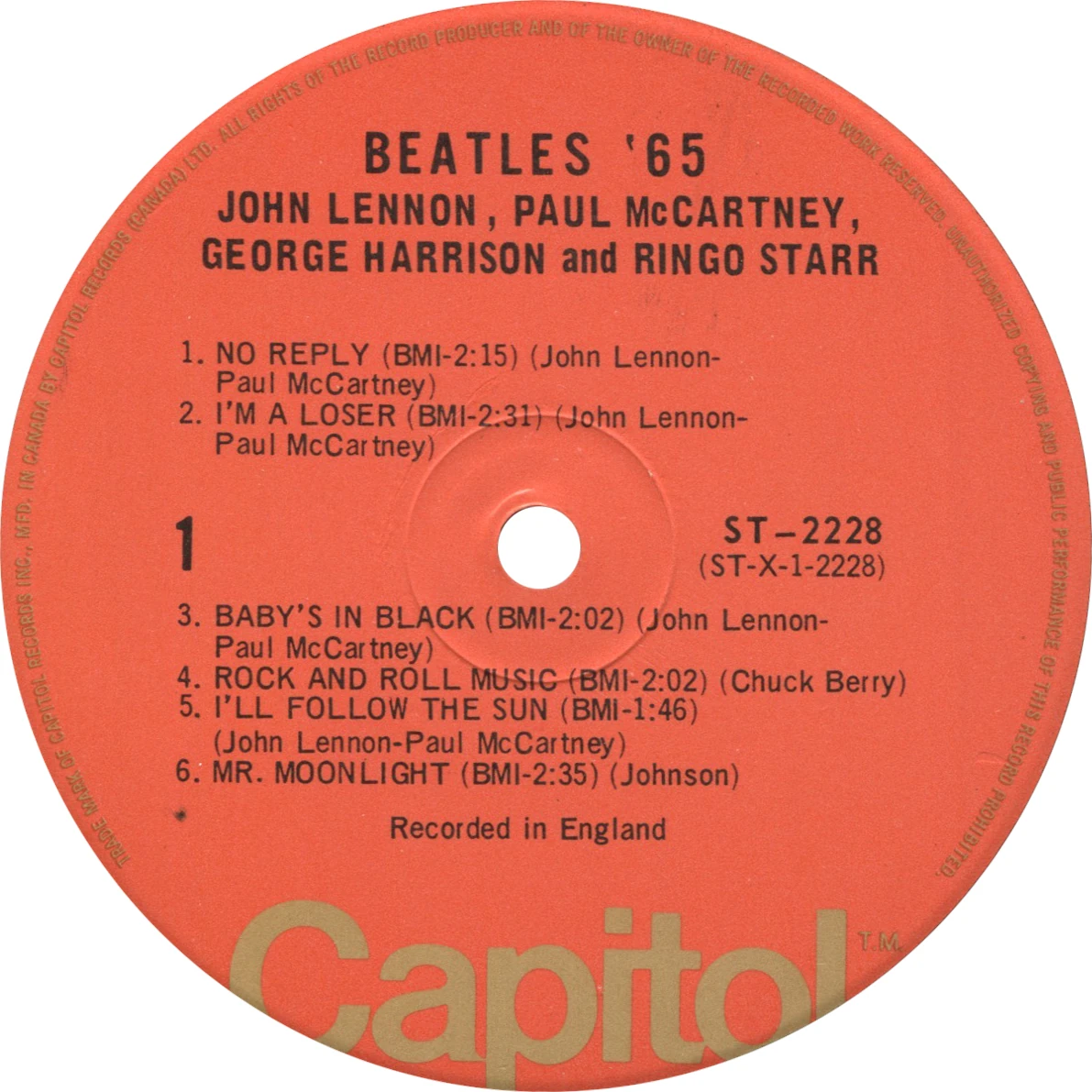
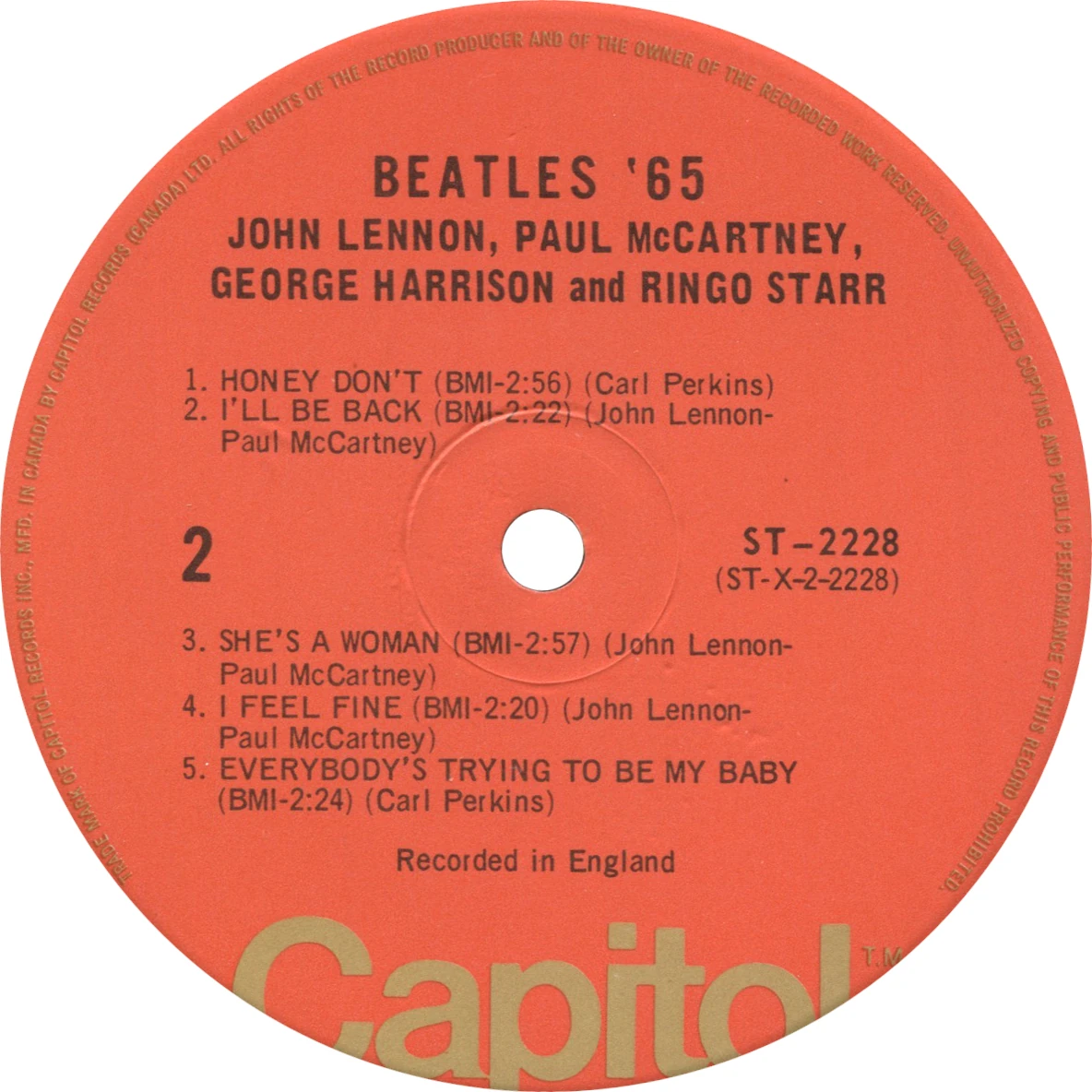
Availability
This variation was available in 1973 (for approximately one year) until the second generation orange label appeared on Keel pressings in 1974 (see LP.2228.7.1).
General Information
Although orange pressings are generally quite common, these early orange labels are more difficult to find today; 2nd generation and 3rd generation orange label pressings are much more common. First generation orange labels can be identified by the GOLD perimeter print around the label; second generations have black text that is much easier to read.
This pressing was made in small quantities when demand required a new run of pressings to restock the warehouse. Another interesting fact is that this label generation was unique to Canada, since Capitol USA opted for the Apple label for their Capitol reissues instead.
RCA's Dynaflex vinyl. RCA's "Dynaflex" technology, introduced in the early 1970s, was a different approach to manufacturing vinyl records. Dynaflex records were made from a specially formulated vinyl that allowed them to be pressed significantly thinner and more flexible than standard records of the time (roughly 90 to 110 grams instead of 120 to 150). They could be bent without breaking, were less prone to warping and cost less to make and ship. Sound quality was debated: some listeners felt the thin vinyl had less dynamic range and more surface noise. Dynaflex pressings are easy to recognize by their very thin, flexible profile and their small 24 mm pressing ring.
Pressing Information
Capitol of Canada still subcontracted RCA for this run, which pressed the album on its lightweight Dynaflex vinyl. The records were still pressed from the USA-supplied stereo plates (sent from Capitol's Scranton pressing plant) introduced with LP.2228.1.3 in December 1964, and carry the same markings as LP.2228.6.1, with the #3 side 1 stamper rather than the #2 of the earlier stereo pressings:
Side 1: ST1-2228-X2 #3
Side 2: ST2-2228-B6 #2
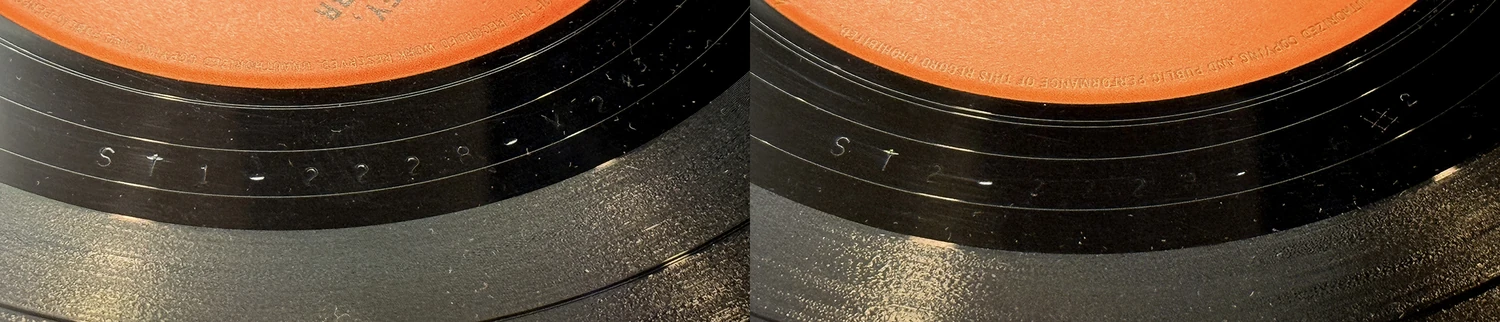
These pressings feature the small 24 mm Dynaflex pressing ring instead of RCA's usual 70 mm deep groove, and are recognized by their very thin, flexible vinyl profile. The label text layout differs from LP.2228.6.1 (compare the track listings and the position of the catalogue number).
Cover
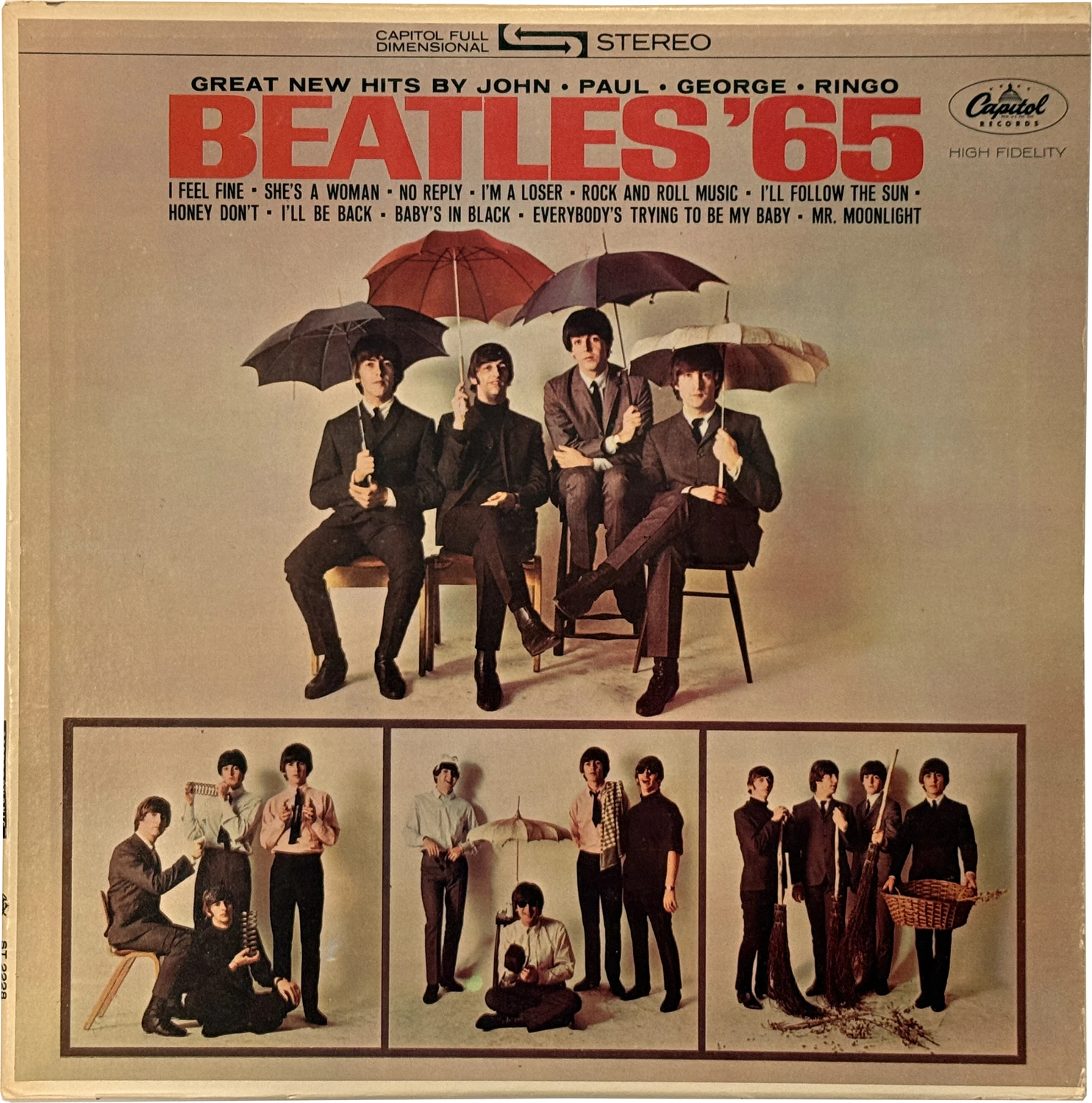
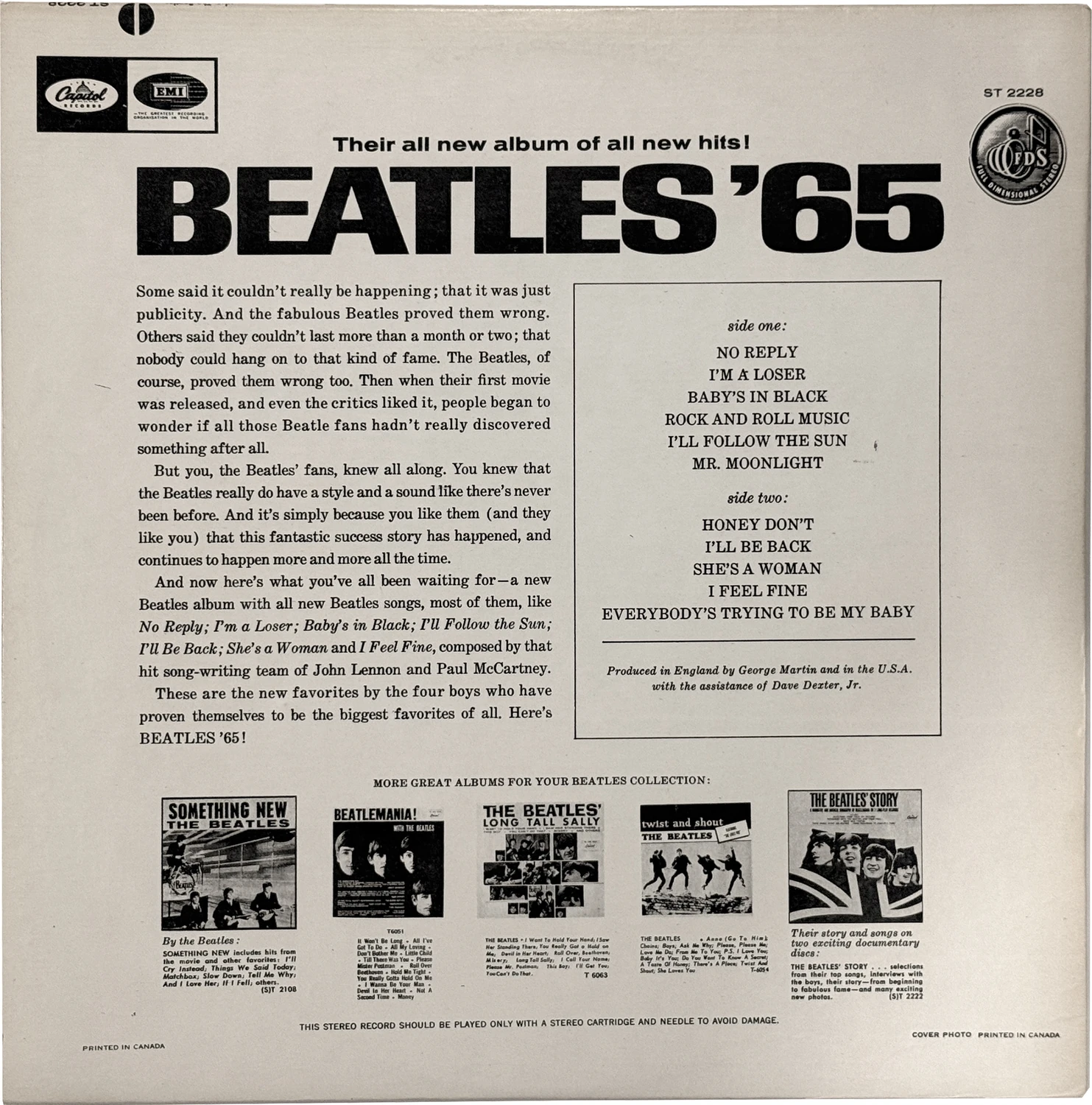
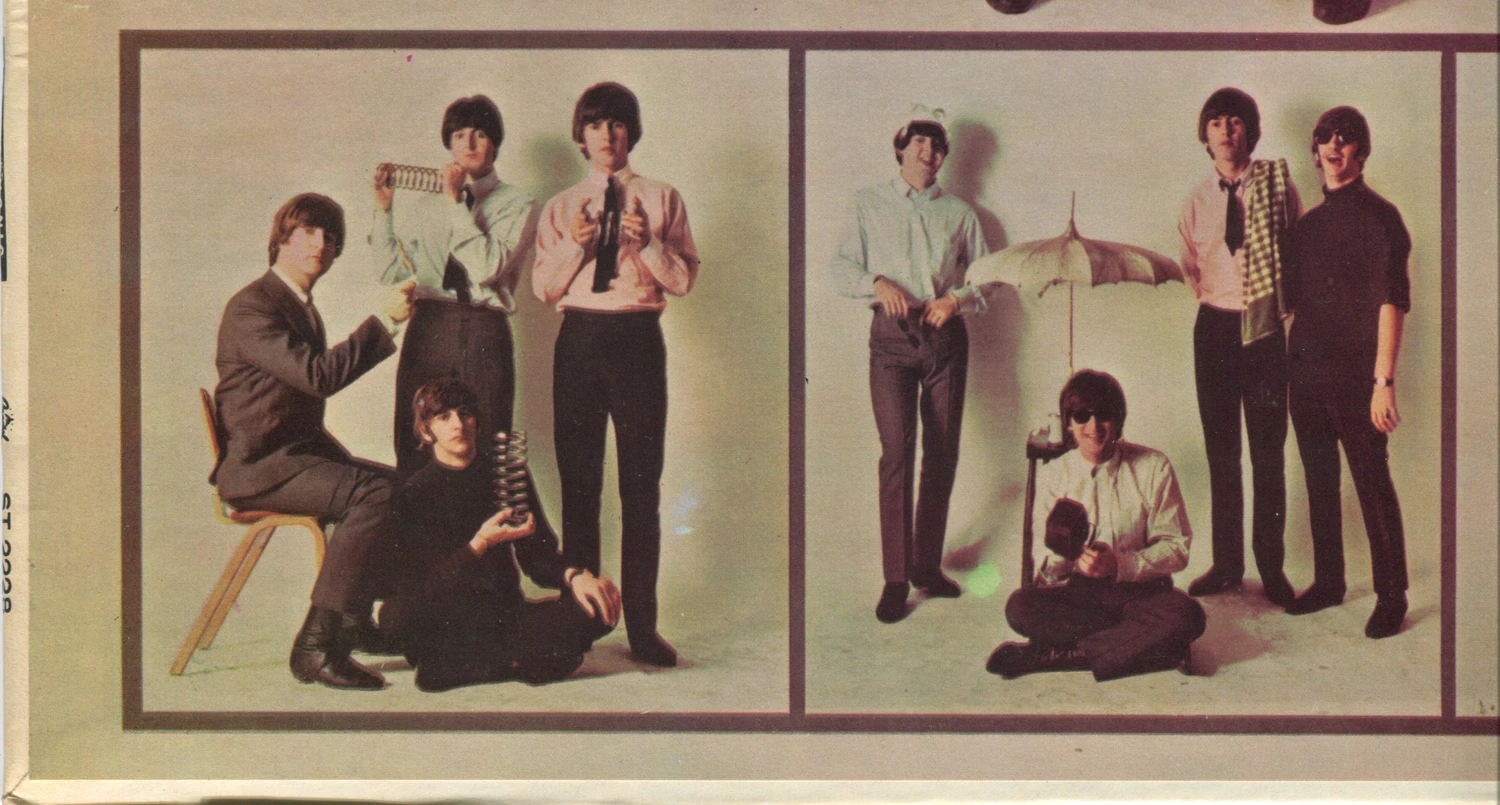
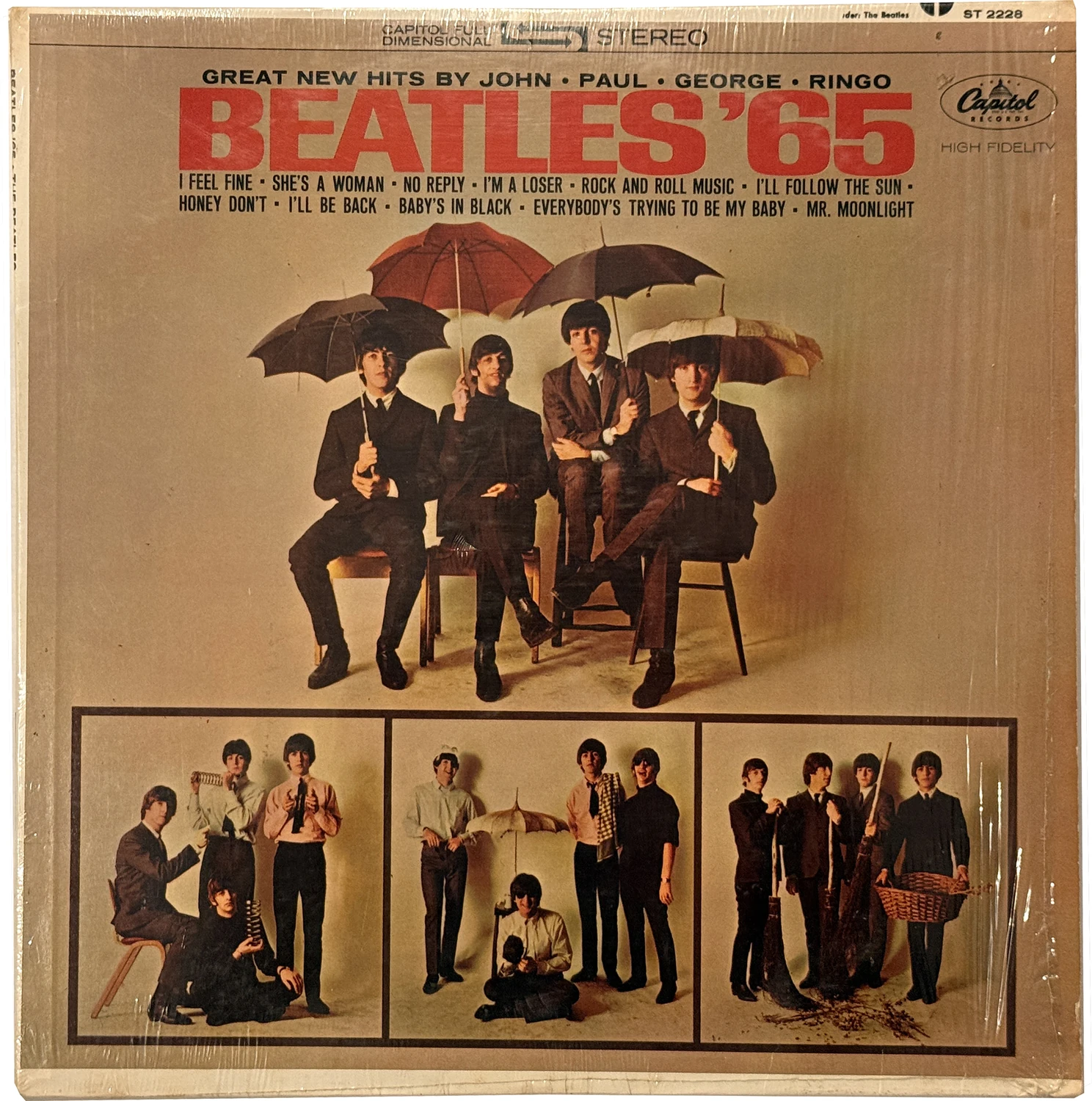
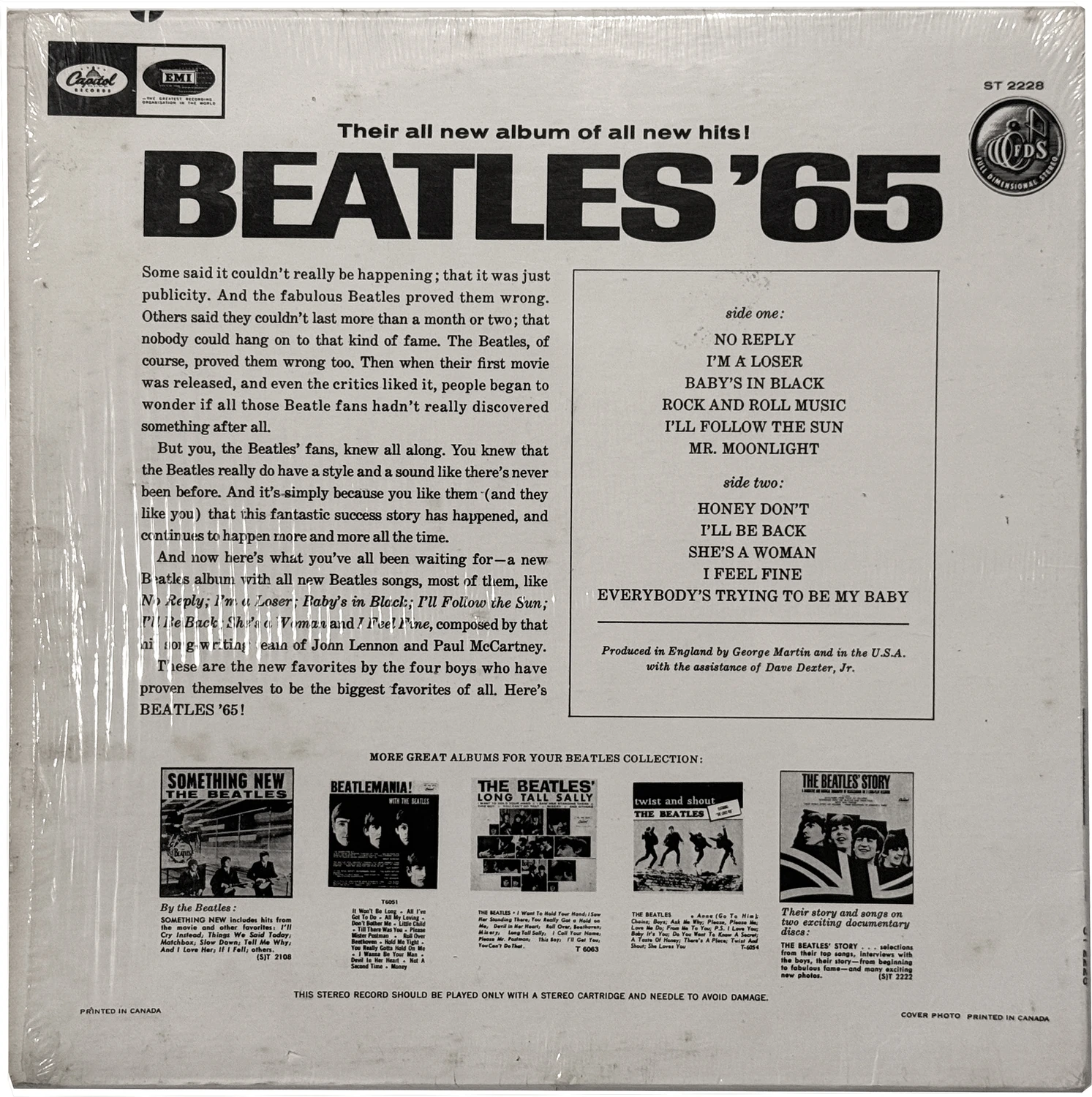
The cover of this variation is similar in design to the previous variations, with the arrow-shaped stereo banner on the front and no monophonic notice on the back. The cover is unmarked (no printer's logo), as on LP.2228.6.1. Two copies are shown below, one still in its shrink wrap.
Packaging
Copies of LP.2228.6.2 were packaged with a tight shrink wrap.
These were now sold with a generic plain paper LP inner sleeve.
